Skip to content

Classics

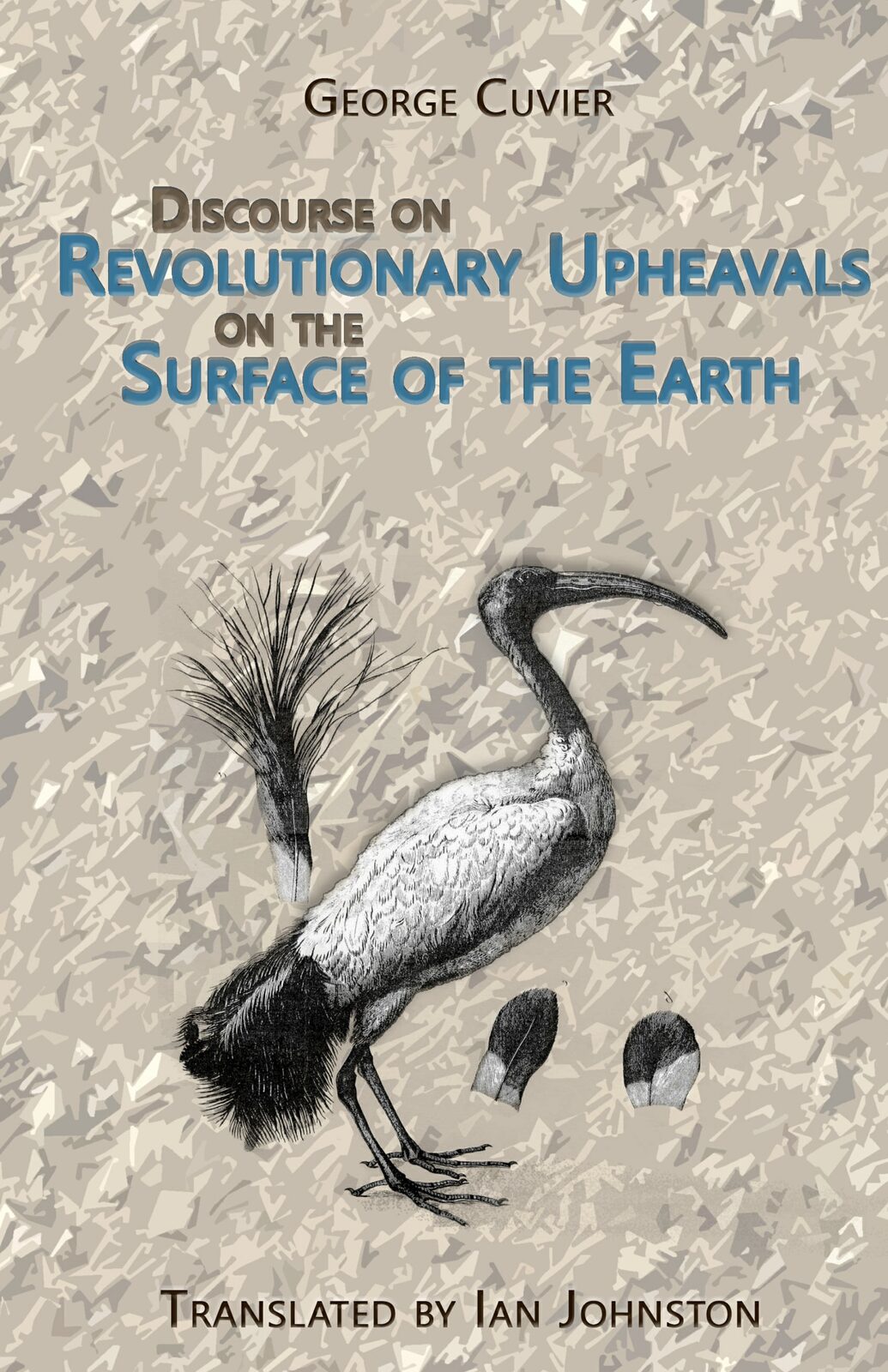
Discourse on the Revolutionary Upheavals of the Earth

By Cuvier, Georges

$18.95

Secure checkout · Free US shipping on orders over $50

On the Nature of Things by Titus Lucretius Carus (written around 60 BC) has for centuries been one of the most popular and influential works from our classical past. The poem is a long, impassioned plea for a materialistic understanding of the universe and of human life, without reference to divine creativity or benevolence or to a future life. Only such a view, Lucretius claims, can liberate human beings from religious superstitions, irrational fears, and false ambitions and thus enable us to live successfully. Long celebrated as the greatest expression of faith in Epicurean philosophy, the poem has exercised a decisive influence on the development of Western scientific thought since the Renaissance and is a vitally important part of our humanist traditions.

Ian Johnston’s new poetic translation brings out the full emotional range of this great work and captures the restless and intense urgency of the original text. The English is an accurate rendition of Lucretius in a fluent modern idiom, so that it makes this important vision of the world accessible to the modern reader. 
Category
Classics
ISBN (softcover)
978-1-935238-81-2
e-ISBN
978-1-935238-24-9
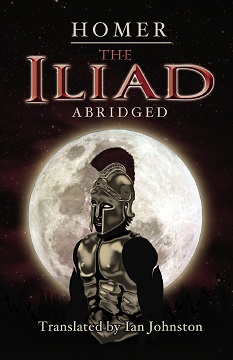
  • I cannot tell you of the pleasure I have had reading your translation... It is clear, it is eloquent, and — most importantly — it\'s exciting. The Iliad thrilled me as a schoolboy and I have eagerly absorbed each of the many versions that have appeared down the years. Our classics teacher was a very wise man — he knew we\'d never read it at home as part of an assignment — so he assigned us all roles in the story and we read the whole thing aloud in class over the course of an entire school year. The class was as polarized and confrontational being Greeks and Trojans as were the Jets and the Sharks when Jerome Robbins rehearsed West Side Story. Of course, everyone wanted to be Achilles and nobody wanted to be Hera, but . . . .
    Cordially yours,
    John M.

    _______

    I was captivated by your new translation of the Iliad. I am currently reading Samuel Butlers translation, having recently discovered Greek Mythology thanks to Dan Simmons\' Sci-Fi Novels Ilium and Olympus, and even though it is extremely engaging and fantastic to read, I instantly found that your translation flows better and was more accessible. . . .
    Kindest Regards
    Richard W.

    ______

    I wish to congratulate you on a fine translation of Homers epic poem. For poetic content, I always favored Lattimer\'s translation. (Who else rendered English into the Greek favored Spondaic Hexameter?) But for flow and understanding, you translation is, in my humble opinion, vastly superior. Again I offer thanks and congratulations for your fine work.
    Best wisher,
    Bert F.

  • I cannot tell you of the pleasure I have had reading your translation... It is clear, it is eloquent, and — most importantly — it\\\'s exciting. The Iliad thrilled me as a schoolboy and I have eagerly absorbed each of the many versions that have appeared down the years. Our classics teacher was a very wise man — he knew we\\\'d never read it at home as part of an assignment — so he assigned us all roles in the story and we read the whole thing aloud in class over the course of an entire school year. The class was as polarized and confrontational being Greeks and Trojans as were the Jets and the Sharks when Jerome Robbins rehearsed West Side Story. Of course, everyone wanted to be Achilles and nobody wanted to be Hera, but . . . .
    Cordially yours,
    John M.

    _______

    I was captivated by your new translation of the Iliad. I am currently reading Samuel Butlers translation, having recently discovered Greek Mythology thanks to Dan Simmons\\\' Sci-Fi Novels Ilium and Olympus, and even though it is extremely engaging and fantastic to read, I instantly found that your translation flows better and was more accessible. . . .
    Kindest Regards
    Richard W.

    ______

    I wish to congratulate you on a fine translation of Homers epic poem. For poetic content, I always favored Lattimer\\\'s translation. (Who else rendered English into the Greek favored Spondaic Hexameter?) But for flow and understanding, you translation is, in my humble opinion, vastly superior. Again I offer thanks and congratulations for your fine work.
    Best wisher,
    Bert F.

Also from Classics

You might also like

Discourse on the Revolutionary Upheavals of the Earth

$18.95