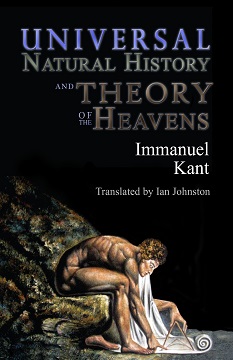
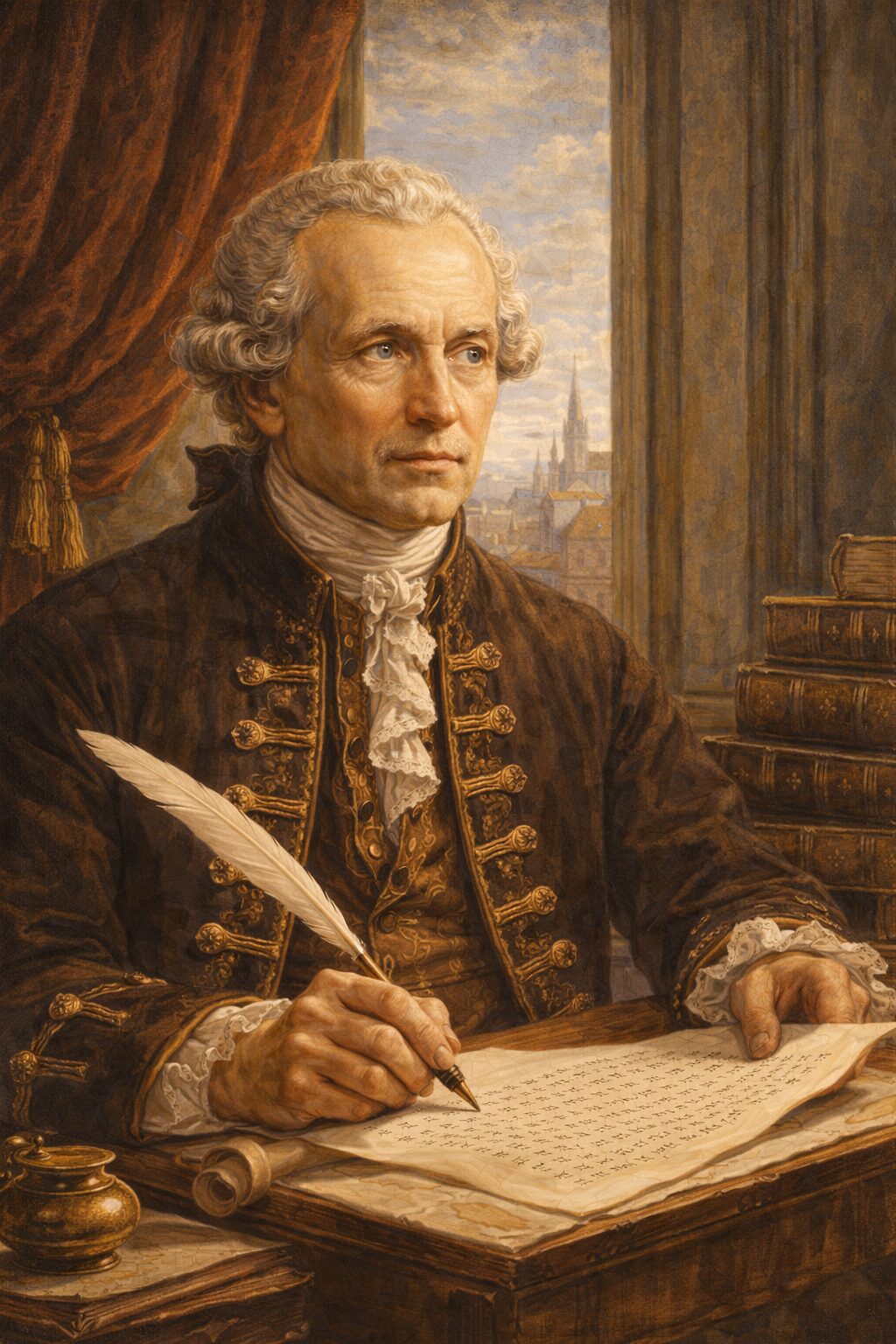
Immanuel Kant (1724–1804) was a German philosopher and one of the central figures of modern Western thought. Born and educated in Königsberg (now Kaliningrad), Kant spent nearly his entire life there, working as a professor and living with famously strict personal discipline. His quiet, methodical life contrasted sharply with the revolutionary impact of his ideas.
Kant is best known for reshaping philosophy through his critical project, most notably in Critique of Pure Reason (1781). In this work, he argued that human knowledge arises from an interaction between sensory experience and the mind’s innate structures. Rather than the mind passively receiving reality, Kant claimed it actively organizes experience—setting limits on what we can know while securing the foundations of science.
In ethics, Kant developed a powerful account of moral duty grounded in reason, articulated in the Critique of Practical Reason and Groundwork of the Metaphysics of Morals. He argued that moral actions are those performed out of duty, according to universal principles he called the categorical imperative. For Kant, human dignity rests on rational autonomy—the capacity to legislate moral law for oneself.
Kant’s influence extends across philosophy, theology, political theory, and aesthetics, especially through his Critique of Judgment. His work marked a turning point between Enlightenment rationalism and modern philosophy, shaping thinkers from Hegel and Schopenhauer to contemporary ethics and epistemology.
From the same hand
Other works by Kant, Immanuel