

Secure checkout
Classics
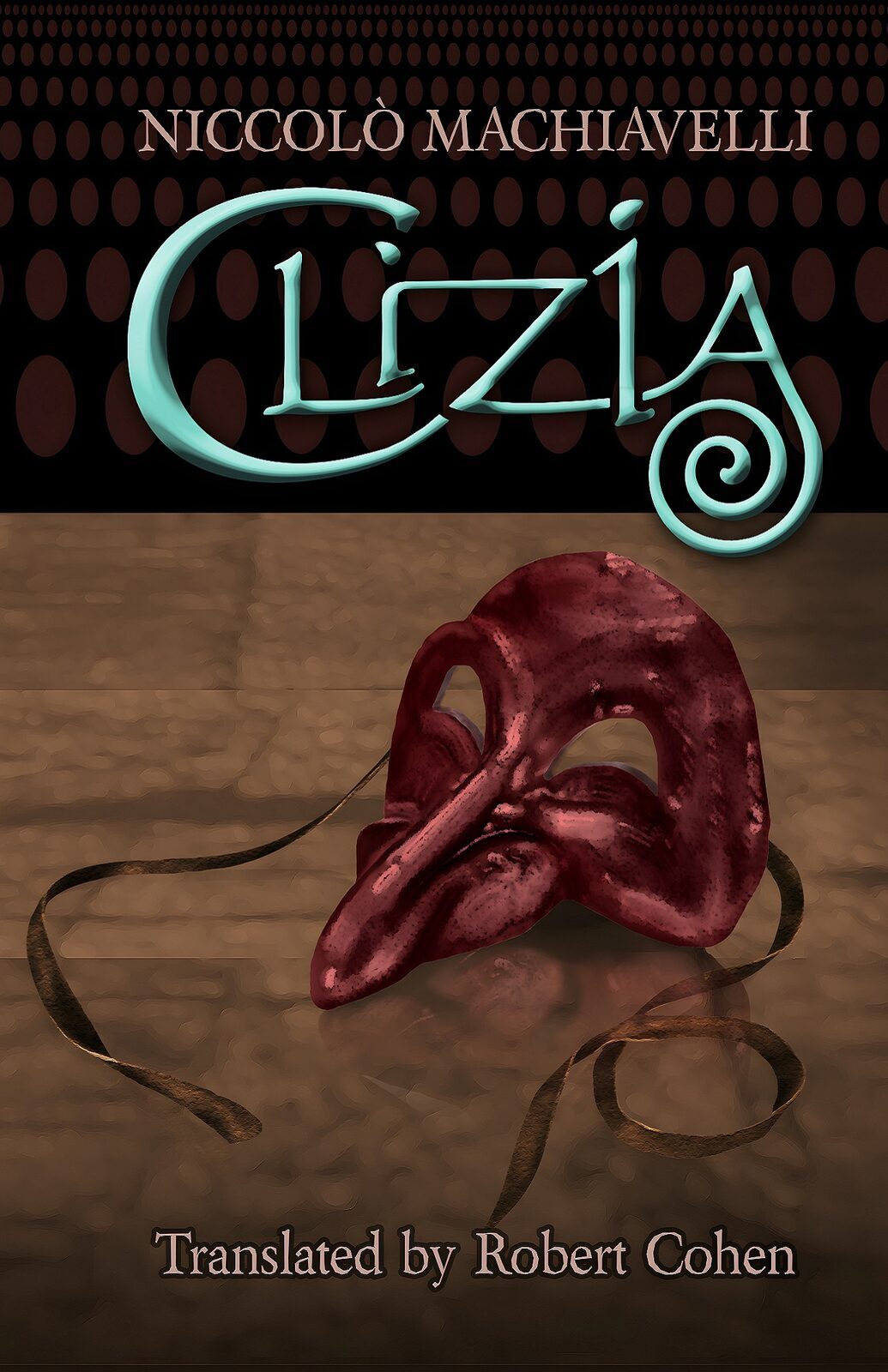
By Niccolò Machiavelli
Translated by Robert Cohen
$9.95
Secure checkout
"What a delight it is to read Robert Cohen's translation and adaptation of Clizia by Niccolò Machiavelli. This compact five-act piece leaps off the page with wit, verve, and really funny moments. It presents Machiavelli's early Commedia dell'Arte as it is was surely intended: replete with lively songs, direct addresses to the audience, ridiculous twists of fate, and those requisite bawdy situations. Actors will enjoy the challenges of presenting this set of ridiculous stock commedia characters. Directors will revel in the nonstop action, and the rich comedic opportunities for theatrical staging. From start to finish, Cohen is true to the form of Commedia and, at the same time, sensitive to the needs of a contemporary audience. This piece is tons of fun to read . . . and screams out to be staged."
— Eli Simon, Artistic Director, New Swan Shakespeare Festival, Chancellor's Professor of Acting, UC Irvine www.elisimon.com
“I was struck by the performative potential of this translation. It is not a line-by-line transposition from one language to another, but a Clizia that can be read, performed, and enjoyed today. It captures a specific visual, melodic, and theatrical universe; its text bubbling on the page with the dynamism Machiavelli intended. Its stage directions are a canovaccio, a door into improvisatory opportunities; its contemporary colloquialism bridges the gap between tradition and today's sensibilities. Bellissimo!!!!”
— Roberto Prestigiacomo, Professor of Human Communication and Theatre - Trinity University; Producing Artistic Director of AtticRep, San Antonio
“Professor Cohen’s rendering of Machiavelli’s Clizia is an erudite and informed translation, one that is both correct, fluent and idiomatic, and furnished with a first-rate introduction. Most important, Cohen wrote it to be performed. His is a first-rate piece of work which will delight Renaissance scholar, director and modern theater-goer.”
— James Chiampi, Professor of Italian, University of California, Irvine
Also from Classics


Explore further
Clizia
$9.95
Hi! 👋 How can we help you today?
We're away right now. Leave your details and a message, and we'll get back to you by email.